Behind the Scenes with Blueprint Film Co. Episode 1: Efficiency at Its Best
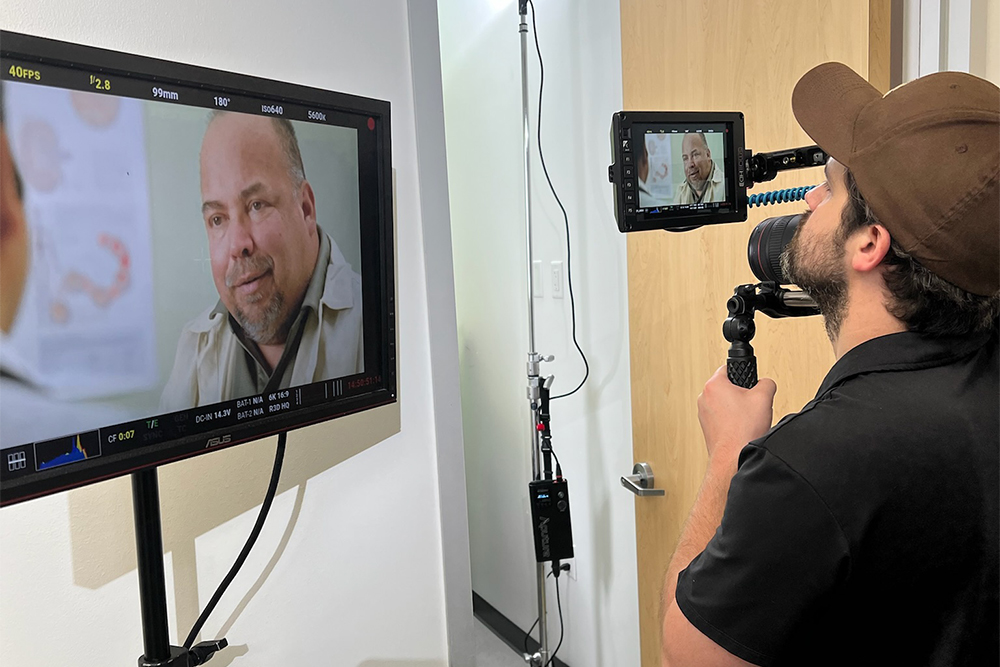
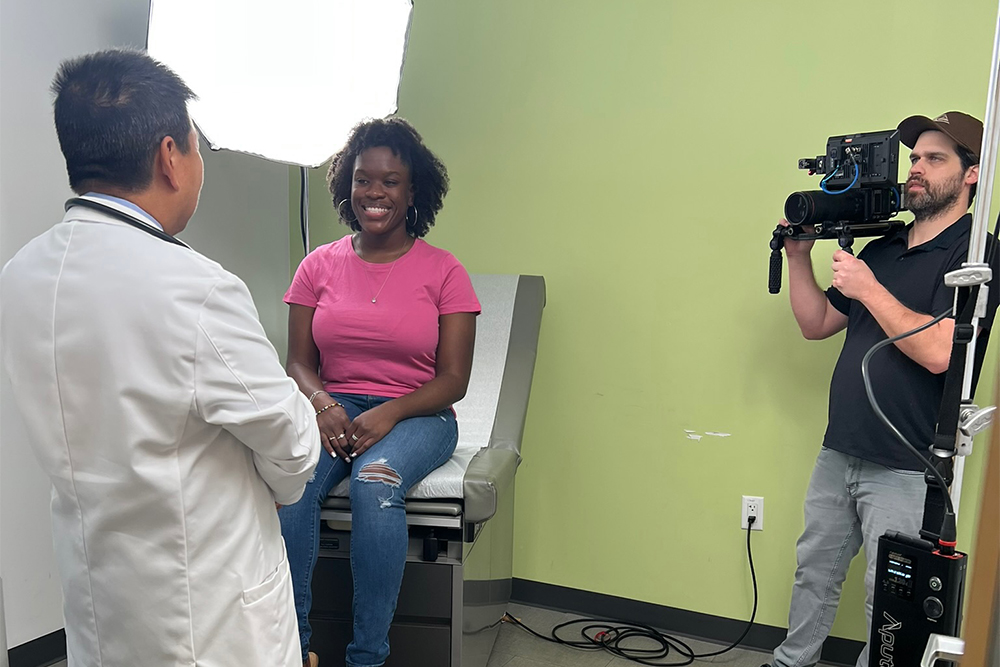
Some shoots give you all the time in the world, and some do not. This was definitely not one of those take-your-time kind of jobs. We were brought in to create a sleek 30-second TV spot for a high-end medical facility, working alongside an advertising agency that had already written and storyboarded the commercial. So right away, the expectations were high. The hospital needed it to look polished and professional, the agency needed it executed well, and we had one production day to make it happen. That meant no wasted movement, no slow starts, and no standing around while the clock quietly worked against us.
With a three-person crew, preparation was everything. On a fast commercial shoot like this, there is not much room for error. The goal was simple: show up ready, move fast, and keep the day built around a set up, shoot, move rhythm. The day before, we packed carefully, went over the shot list, and made sure every piece of gear had a purpose. When you are working with a small crew, everybody has to carry real weight. There is no extra padding in the schedule and no extra bodies standing by to fix mistakes.
Lighting was a huge part of what made this spot work. The facility needed to feel clean, polished, and welcoming, not cold or flat. Each crew member was handling lighting in different rooms, which helped us keep the day moving instead of bottlenecking around one setup at a time. We used a mix of lightweight tubes and more powerful LED units so we could stay flexible while still creating a refined, natural-looking image. The tubes gave us quick, soft coverage and were easy to work into the space, while the LED units helped us keep things clean and controlled. That combination let us move fast without the lighting ever feeling rushed.
Of course, because production likes to stay annoying, one of the key lighting setups failed in the middle of the day. Not ideal, but also not the end of the world. We always try to build for that kind of thing because gear issues are just part of the job. The fix was simple because the prep was solid. We had backup lighting ready, swapped it in quickly, rebalanced, and kept moving without burning a chunk of the schedule. That is the kind of thing people never see in the final commercial, but it is usually what determines whether a shoot stays on track or starts slipping.
As Brooks Cruzen, our Director of Photography, put it, this shoot really showed what good teamwork and preparation can do. With all three of us handling different lighting setups at once, we were able to keep momentum all day. And when the light issue popped up, nobody panicked because we already had a backup plan. That is really the whole thing. You cannot predict every problem, but you can absolutely be prepared for them. That is usually the difference between a shoot that feels locked in and one that slowly unravels.
Once production wrapped, post moved the same way the shoot did: clean and efficient. Because the footage came in organized and the visual approach stayed consistent, the edit was a lot smoother than it could have been. Mark handled post and delivered both versions of the commercial with very few revisions, which is always a nice way to live. There is a direct connection between what happens on set and how painful or painless the edit becomes later, and this project was a good example of that.
In the end, both the advertising agency and the hospital were happy with the spot, and they appreciated how quickly it went from production to air. For us, this project was a good reminder that efficiency is not about rushing. It is about being ready. Good prep, flexible lighting, backup gear, and a crew that knows how to move together can make a one-day commercial shoot feel a whole lot bigger than it actually is. That is the kind of behind-the-scenes stuff we care about because it is what turns a high-pressure day into a solid result.